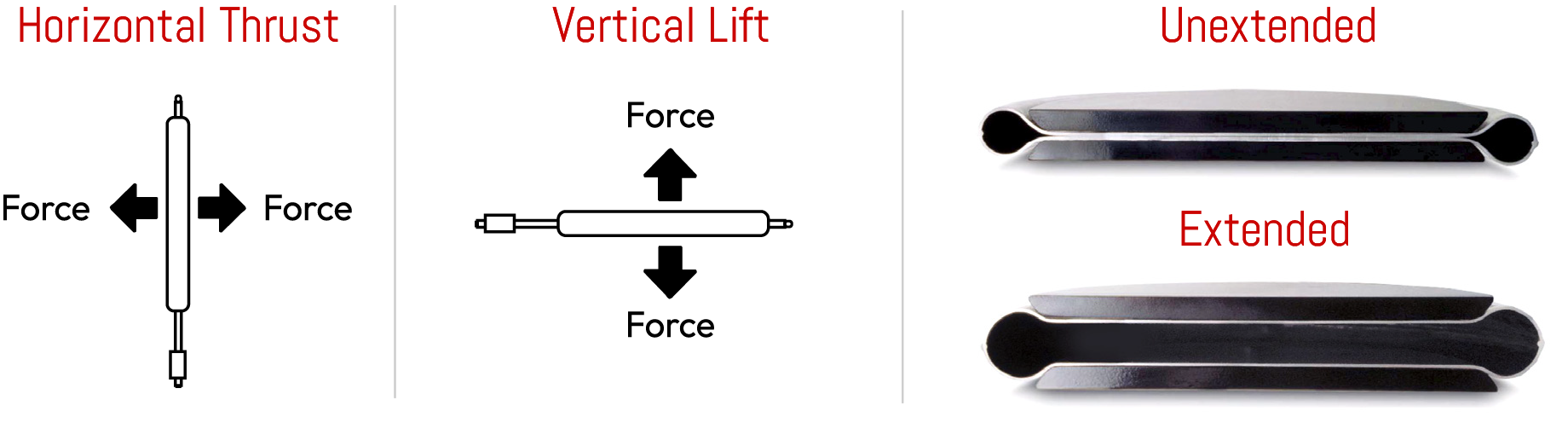
Plate Jacks can be expanded with a variety of fluids. Plate Jacks may be extended using oil or water for temporary installation, or using injectable epoxy or cementitious grout for permanent installation.
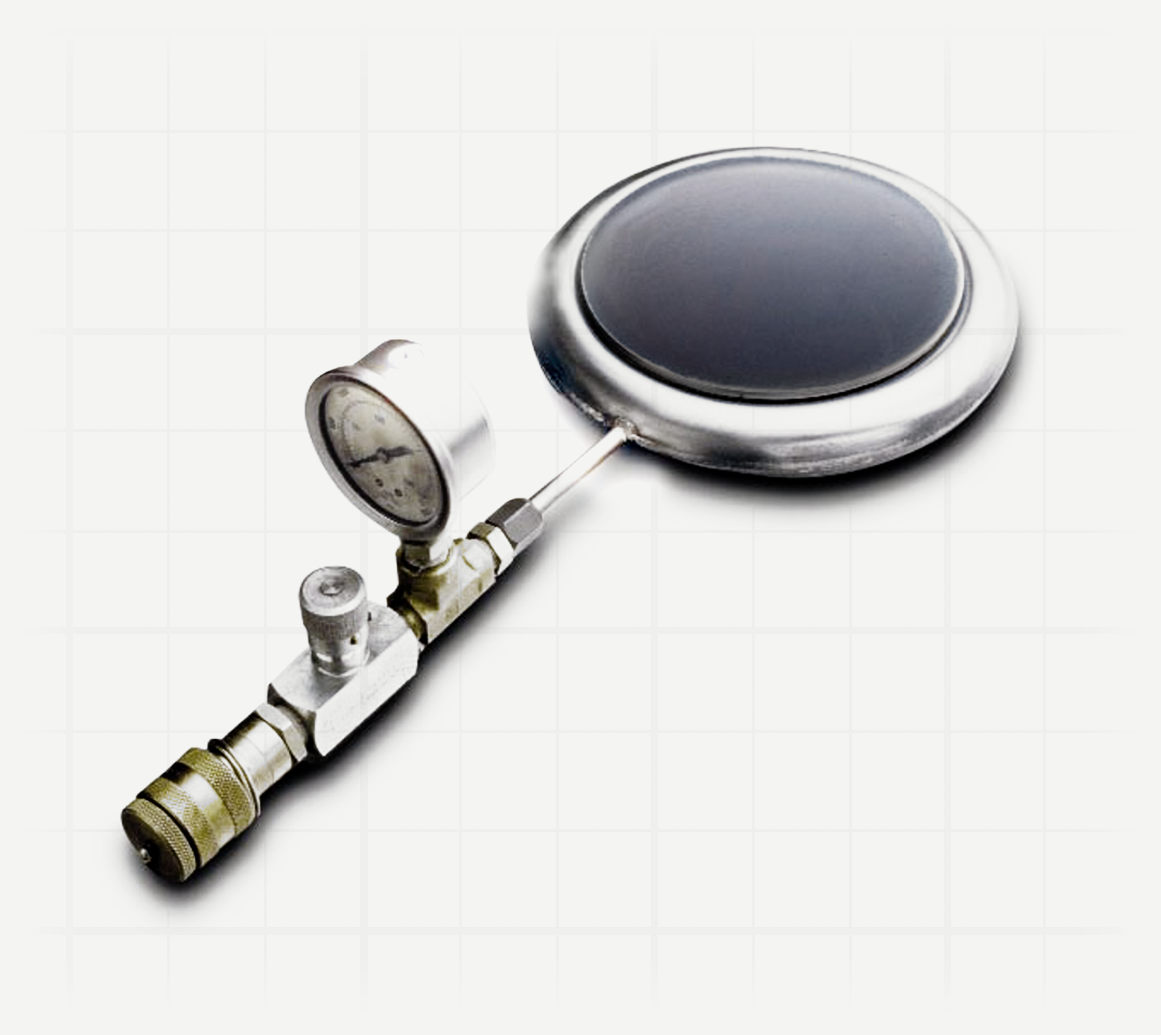
Installation may be temporary or permanent
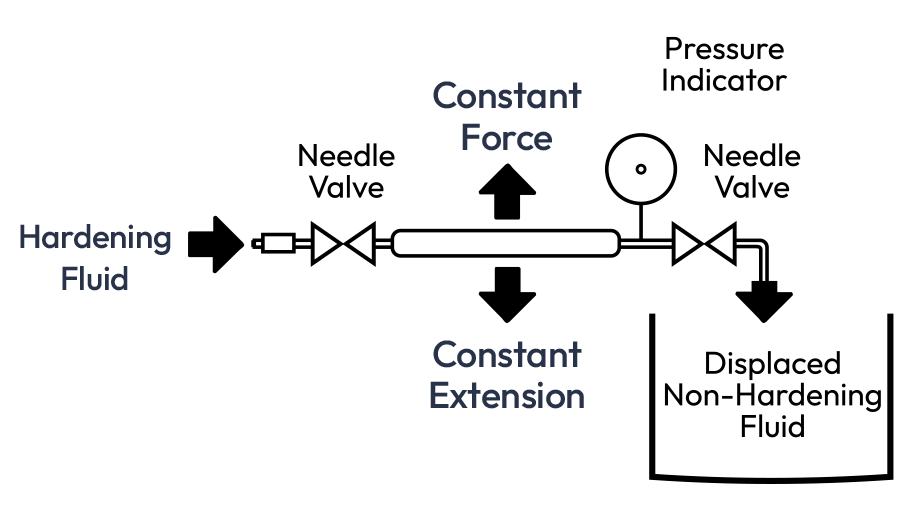
In various applications, it’s desirable to extend or adjust a jack over time to account for settlement or load redistribution. Once the desired load or displacement is achieved, the jack needs to be solidified to lock it in. In these cases, the jack is initially extended and adjusted using a non-hardening fluid. When it’s time to solidify the jack, the fluid is displaced with epoxy while maintaining the constant load and extension. This process, known as “transfusion,” necessitates a specialized port and valving arrangement.
Transfusion Hardware Package
Configured for Transfusion
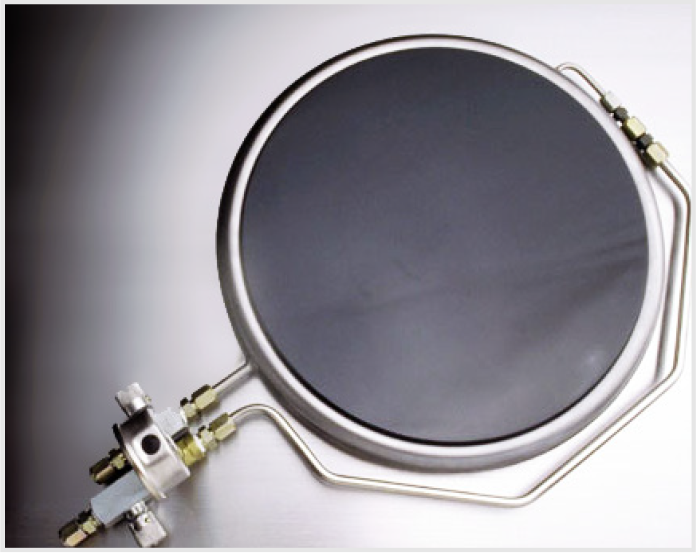
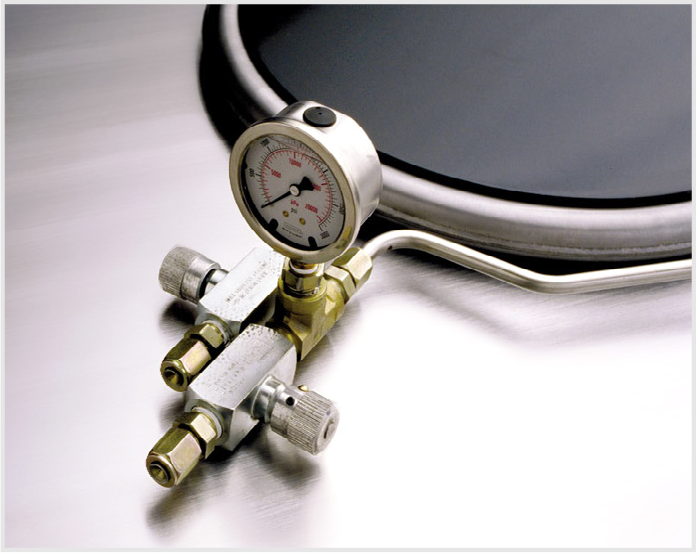
Transfusion Process
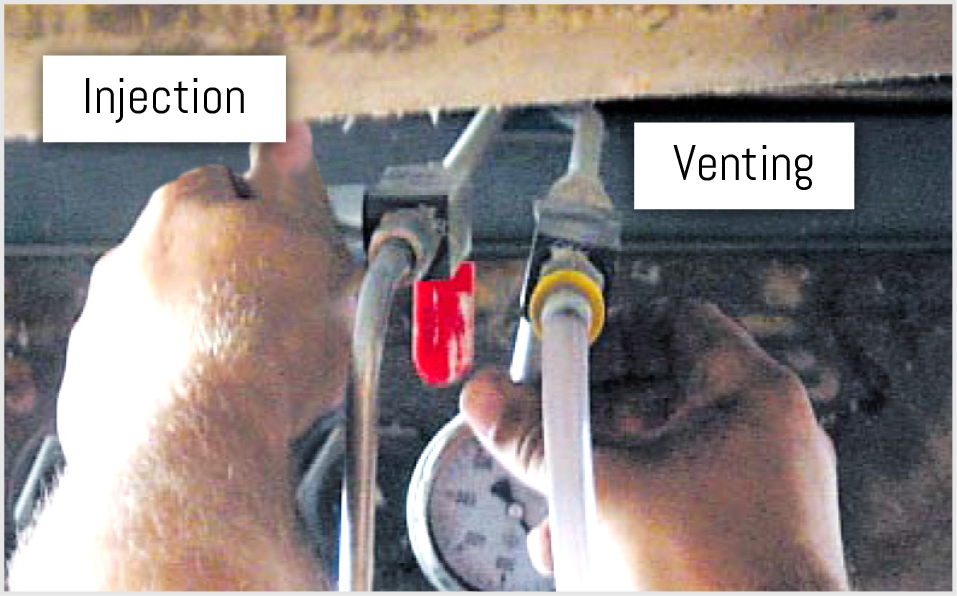
Balancing: Injection and vent flow to maintain constant load and lift during the transfusion process
Horizontally, vertically and at angles
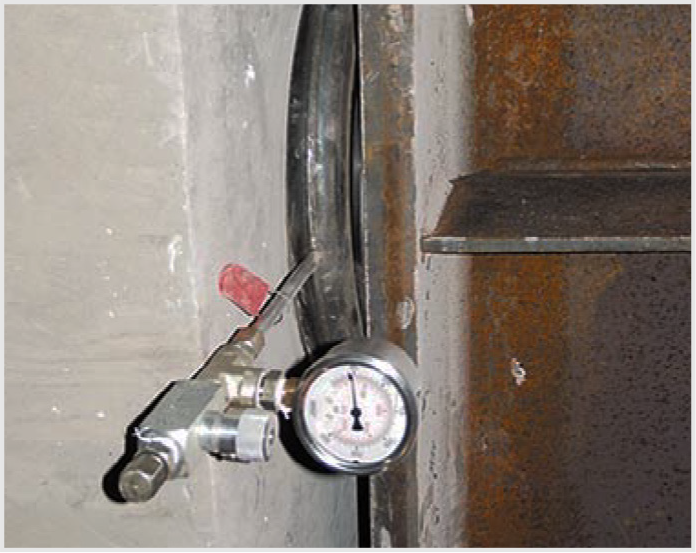
Plate Jacks are usually used to provide a vertical lift or load transfer; however, they are often installed vertically to provide horizontal thrust, or at some angle.
Horizontal Thrust
Lifting at an Angle
Non-Parallel Surfaces
Irregular Surfaces
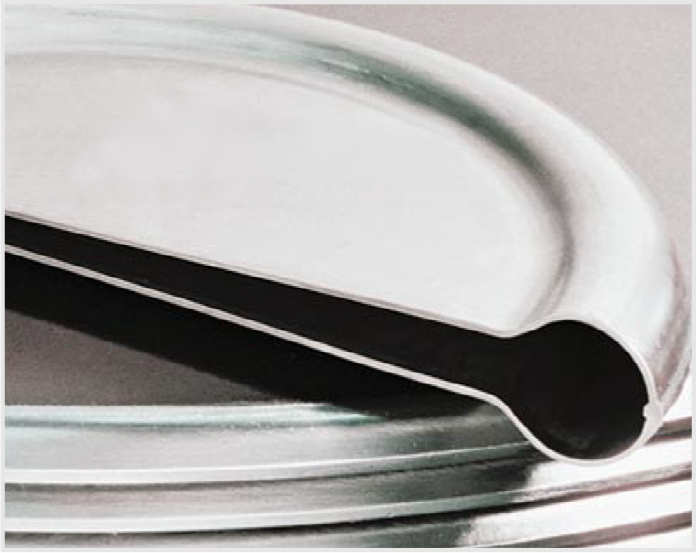
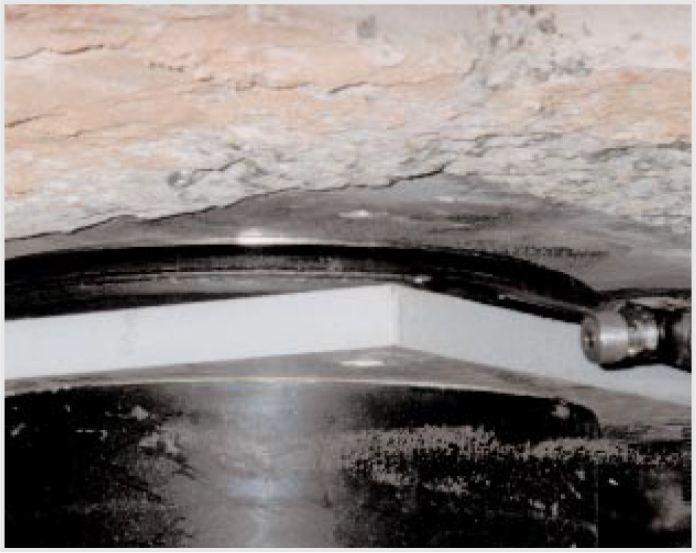
Plate Jacks are flexible, versatile and forgiving
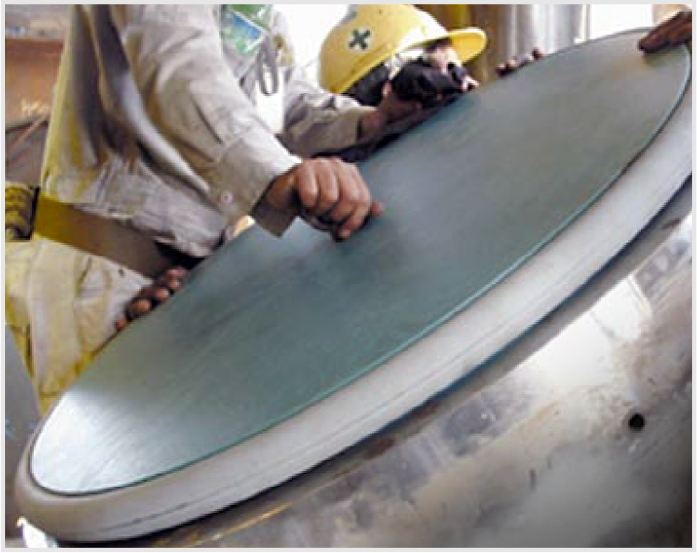
Plate Jacks do not require the faces which are to be jacked to be parallel, or even exactly planar. The jack will conform to non-parallel and slightly deformed jacking surfaces during extension, and will exert uniform pressure across the jacking face in spite of that non-parallelism.